
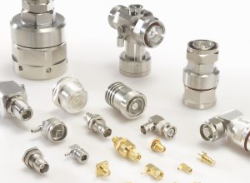
Industrial connectors play a critical role in modern electrical and electronic systems. Whether it’s a machine on a production line, an outdoor installation exposed to moisture, or a complex automation system, the connector is often one of the most important components in the entire setup.
A poorly chosen connector can lead to signal loss, overheating, system failures, or unnecessary maintenance costs. On the other hand, selecting the right connector improves reliability, increases system lifespan, and helps prevent costly downtime.
The challenge is that there is no “one-size-fits-all” solution. Different applications require different connector types, materials, protection levels, and performance characteristics. That is why understanding the environment and technical requirements is essential before making a decision.
Why Connector Selection Matters
In many industrial environments, connectors are exposed to conditions far more demanding than standard indoor applications. Heat, moisture, dust, vibration, and mechanical stress can all affect performance over time.
A connector may function perfectly in a controlled office environment but fail quickly in a factory, transportation system, or outdoor installation.
Choosing the right connector is therefore not only about making a connection, it is about ensuring long-term reliability and operational continuity.
Start with the Application Environment
One of the first questions to ask is: Where will the connector be used?
The environment largely determines which connector specifications are required.
For example:
- Outdoor systems often require waterproof connectors with high IP ratings
- Industrial machinery may require vibration-resistant locking systems
- High-temperature environments need heat-resistant materials
- Dusty environments require sealed connectors to prevent contamination
Ignoring environmental conditions is one of the most common mistakes in connector selection.
Understanding IP Ratings
When connectors are used in industrial environments, protection against dust, moisture, and high-pressure cleaning becomes extremely important. This is where IP ratings play a key role.
IP stands for Ingress Protection and indicates how well a connector is sealed against external elements such as dirt and water.
Different environments require different levels of protection. For example:
- IP65 connectors are protected against dust and low-pressure water jets
- IP66 connectors offer stronger resistance against powerful water jets
- IP69K connectors are designed for extreme conditions and high-pressure, high-temperature washdowns
IP69K connectors are commonly used in industries where equipment is cleaned intensively, such as food processing, transportation, and heavy industrial machinery.
Selecting the correct IP rating is essential to avoid moisture ingress, corrosion, and unexpected system failures.
In demanding environments, choosing the wrong level of protection can significantly reduce the lifespan and reliability of the entire system.
Electrical Requirements Are Equally Important
Besides environmental protection, the electrical specifications of the connector must match the application.
Important factors include:
- Voltage requirements
- Current capacity
- Signal type
- Data transmission speed
Using a connector with insufficient electrical capacity can cause overheating or unstable performance.
For high-performance systems, selecting the right contact material and shielding is also critical to maintain signal integrity and reduce interference.
Mechanical Durability and Reliability
Industrial connectors are frequently exposed to movement, vibration, and repeated connection cycles. In these situations, mechanical durability becomes just as important as electrical performance.
Features that improve reliability include:
- Secure locking mechanisms
- Strain relief systems
- Durable housing materials
- Corrosion-resistant contacts
In heavy-duty environments, investing in higher-quality connectors often reduces long-term maintenance and replacement costs.
Common Mistakes When Choosing Industrial Connectors
Many connection problems can be traced back to incorrect connector selection. Some of the most common mistakes include:
Choosing based only on price
Low-cost connectors may seem attractive initially, but they often fail faster in demanding environments.
Ignoring environmental conditions
A connector that works indoors may not survive outdoors or in humid conditions.
Selecting the wrong IP rating
Insufficient protection can lead to water ingress, corrosion, and system failure.
Overlooking mechanical stress
Vibration and movement can loosen or damage connectors without proper locking or strain relief.
When Custom Connector Solutions Make Sense
In some applications, standard connectors are simply not sufficient. Complex systems often require custom cable assemblies or tailored interconnect solutions.
Custom solutions can provide:
- improved reliability
- optimized space usage
- simplified installation
- better long-term performance
For industrial systems with specific technical requirements, custom-designed solutions are often the most efficient option.
The Importance of Expert Guidance
Because connector selection involves both environmental and electrical considerations, technical guidance can make a significant difference.
Working with a specialist helps ensure:
- the correct connector type is selected
- compatibility issues are avoided
- long-term reliability is improved
A well-designed interconnect solution reduces downtime, improves efficiency, and supports the overall performance of the system.
Need Help Choosing the Right Connector?
Choosing the right industrial connector can be complex, especially in demanding environments where reliability is critical.
Belko helps businesses identify the right connector solutions based on technical requirements, environmental conditions, and long-term performance goals.
Whether you need waterproof connectors, custom cable assemblies, or complete interconnect solutions, our team is ready to help.
Frequently Asked Questions
What is the most important factor when choosing an industrial connector?
The environment is usually the most important factor. Moisture, dust, vibration, and temperature all influence connector performance.
When do I need a waterproof connector?
Waterproof connectors are recommended for outdoor installations, humid environments, or applications exposed to water or dust.
What does IP67 mean?
IP67 means the connector is fully protected against dust and can withstand temporary immersion in water.
Are custom connector solutions better than standard connectors?
For complex or demanding systems, custom solutions often provide better reliability and easier installation.
How do I know which connector is right for my application?
The best approach is to evaluate environmental conditions, electrical requirements, and mechanical stress before selecting a connector.
More info about our connectors