
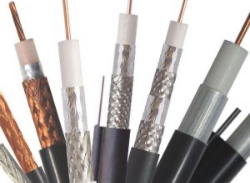
In electrical and industrial applications, the terms cable and wire are often used interchangeably. However, technically speaking, they are not the same. Understanding the difference is essential when designing, building, or maintaining electrical systems.
Choosing the right option directly affects performance, safety, durability, and reliability especially in industrial environments where systems are exposed to mechanical stress, temperature changes, and environmental conditions.
What Is a Wire?
A wire is a single electrical conductor. It can be solid or stranded, but it remains a single conductive element designed to carry electrical current from one point to another.
Wires are typically used in simpler or controlled environments where mechanical stress is minimal. Common applications include internal wiring in electrical devices, control panels, and fixed installations.
Because wires offer limited protection, they are generally not suitable for harsh or exposed environments.
What Is a Cable?
A cable consists of multiple insulated conductors bundled together and protected by an outer sheath. This outer layer provides mechanical protection and shields the internal conductors from external influences such as moisture, dust, heat, and mechanical stress.
Cables are designed for more demanding applications where durability and protection are critical. They are widely used in industrial machinery, outdoor installations, transportation systems, and complex electronic setups.
The Key Difference in Practice
The main difference between cable and wire is not only structural but also functional:
- Wire = single conductor for simple connections
- Cable = multiple conductors with protective insulation
- Cable offers higher durability and protection
- Wire is more basic and less protected
In industrial environments, selecting the wrong option can lead to system failures, increased maintenance, or reduced safety.
When Should You Use Each?
The choice depends entirely on the application.
Use wire when:
- the environment is controlled
- mechanical stress is minimal
- internal connections are required
Use cable when:
- protection against external factors is needed
- multiple signals or power lines are required
- the system operates in harsh environments
Why the Right Choice Matters
Selecting the correct solution ensures system reliability and long-term performance. In industrial applications, incorrect cable or wire selection can lead to downtime, increased costs, or even safety risks.
That is why technical evaluation and expert guidance are often essential.
Need Expert Advice?
Not sure whether your application requires cable or wire?
Belko provides technical expertise to help you select the right solution for your specific application.
Frequently Asked Questions
Is cable always better than wire?
No, it depends entirely on the application and environment.
Why is cable more expensive than wire?
Because it includes multiple conductors and protective layers, making it more complex to manufacture.