
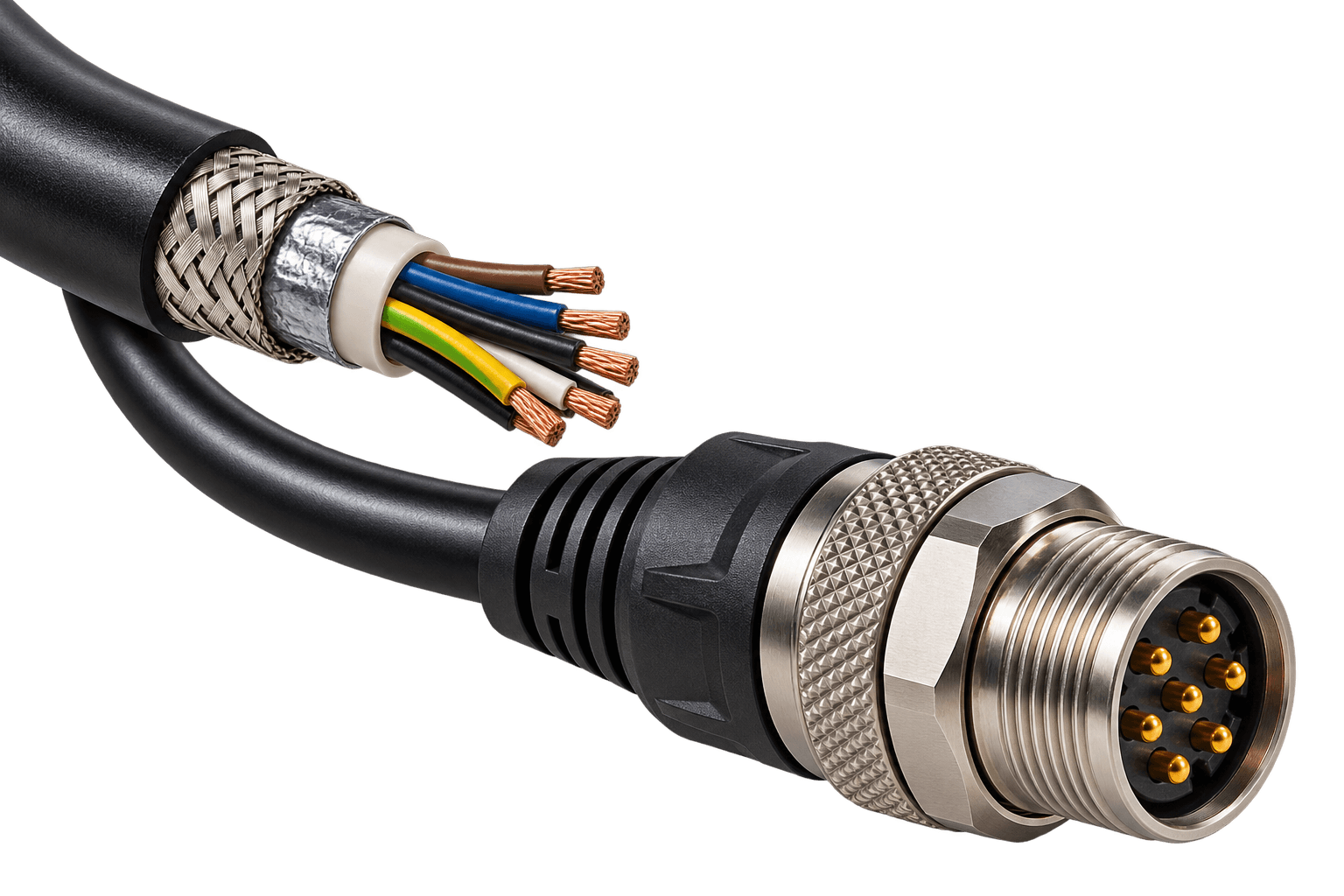

FPHGR-3ACG D-SUB 25P Component
FPHGR-3ACG is a D-SUB 25P component.
- Product code
- FPHGR-3ACG
- Connector family
- D-SUB
- Position code
- 25P
View product
Need help finding the right solution? Talk to a specialist
11,453 products
FPHGR-3ACG is a D-SUB 25P component.
View product
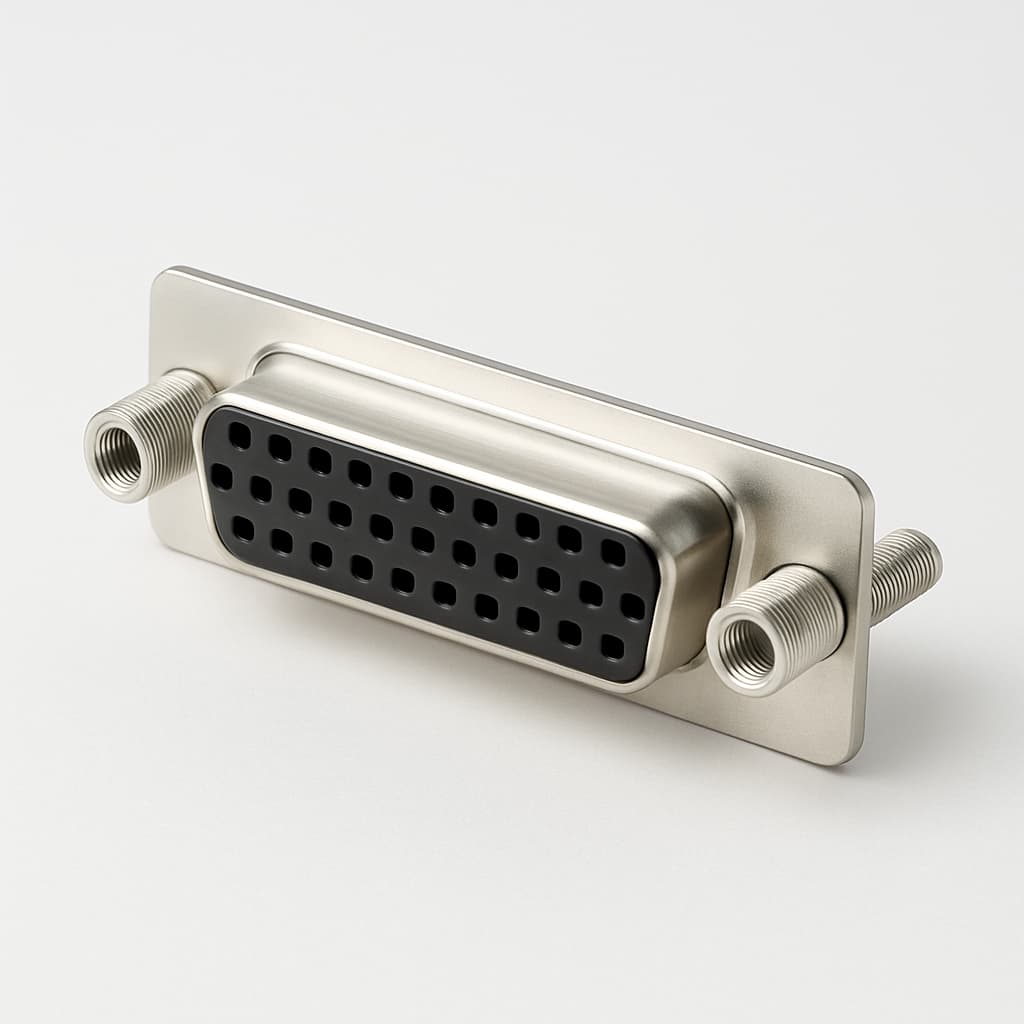
FPHGR-3ACG-2070 is a D-Sub 25P product.
View product

D-Sub 25P accessory with product code FPHGR-3ACRE(nml).
View product
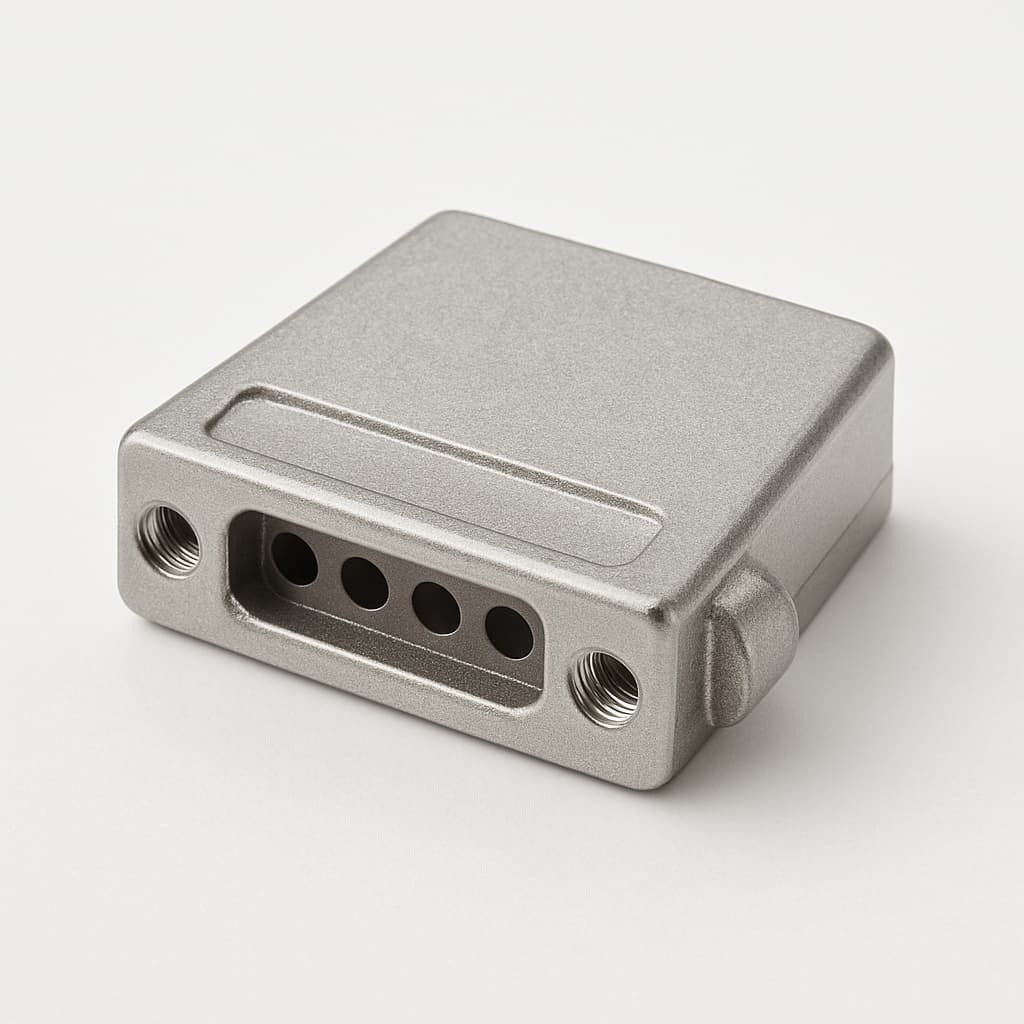
Molex / FCT
FPHGR-4E
Molex / FCT type FPHGR-4E.
View product

MOLEX / FCT
FPHGR-4A
MOLEX / FCT type FPHGR-4A.
View product
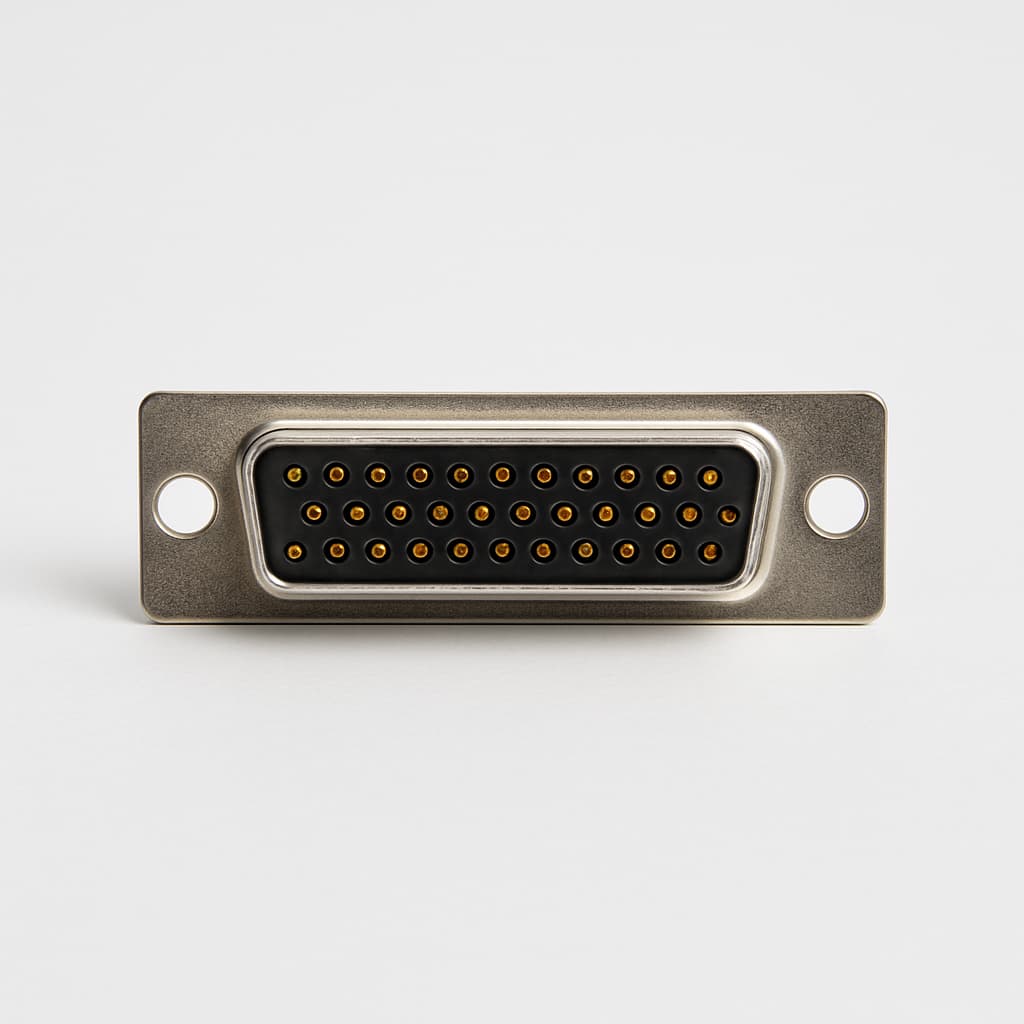
FPHGR-4A M3 is a D-Sub 37P component with an M3 designation.
View product

FPHGR-4ACG is a D-SUB 37P component.
View product

Molex / FCT
FPHGR-5A
Molex / FCT type FPHGR-5A.
View product

FPHGR-5AG is a D-SUB 50P component. The available product information states D-SUB and 50P.
View product

FPHGR-5AR is a D-Sub 50P component.
View product
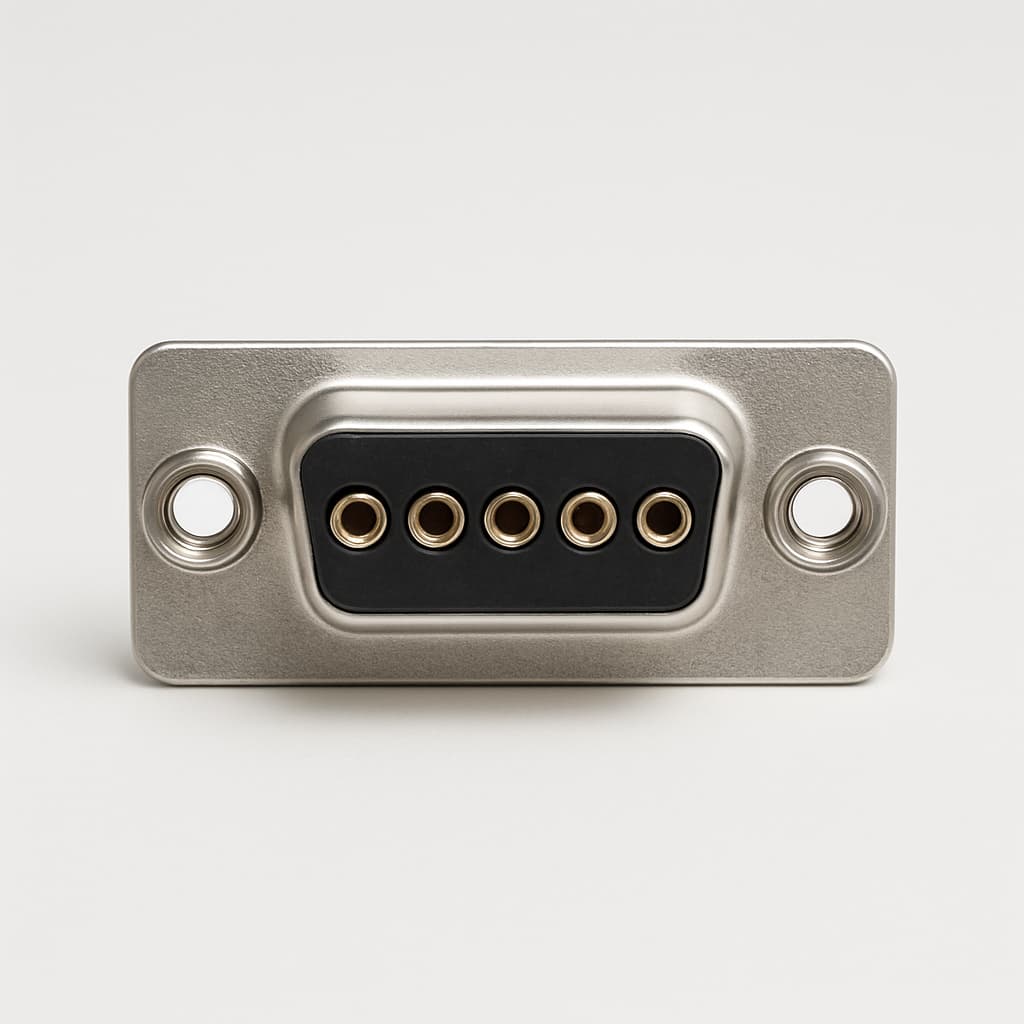
Molex / FCT
FRS1/5-K190
Molex / FCT type FRS1/5-K190.
View product

FRS1/5-K364M3 is a D-Sub J-screw with M3 7MM specification.
View product

D-Sub accessory with 4-40 and 11.8 mm specification. Part number FRS1Y5-K333.
View product

D-Sub accessory J-screw with 4-40 thread and 55MM length.
View product
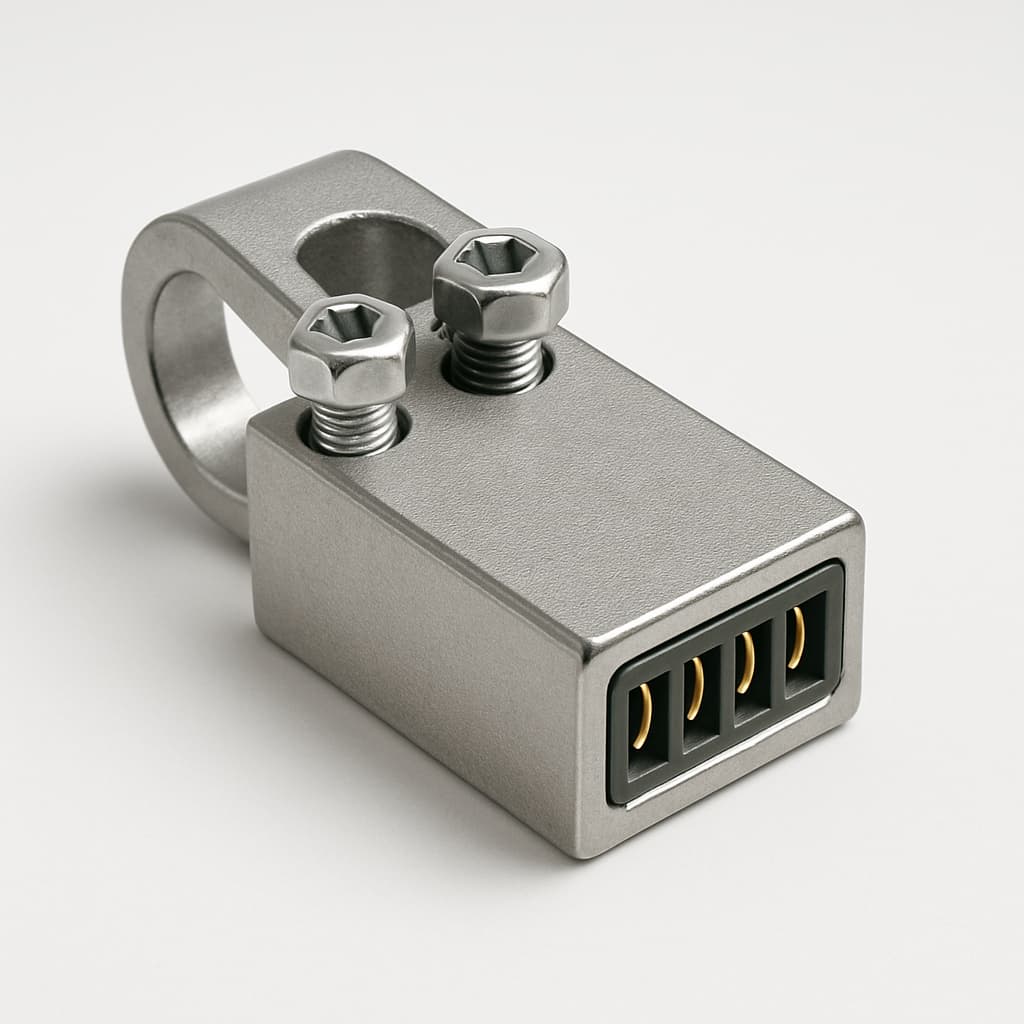
MOLEX / FCT
FRSK1/5-K526
MOLEX / FCT type FRSK1/5-K526.
View product

D-SUB 9P male connector for flat cable. The connector has 4-40 UNC clinch hardware.
View product

FTC09S-K121 is a D-Sub 9P female connector with solder/filter specification.
View product
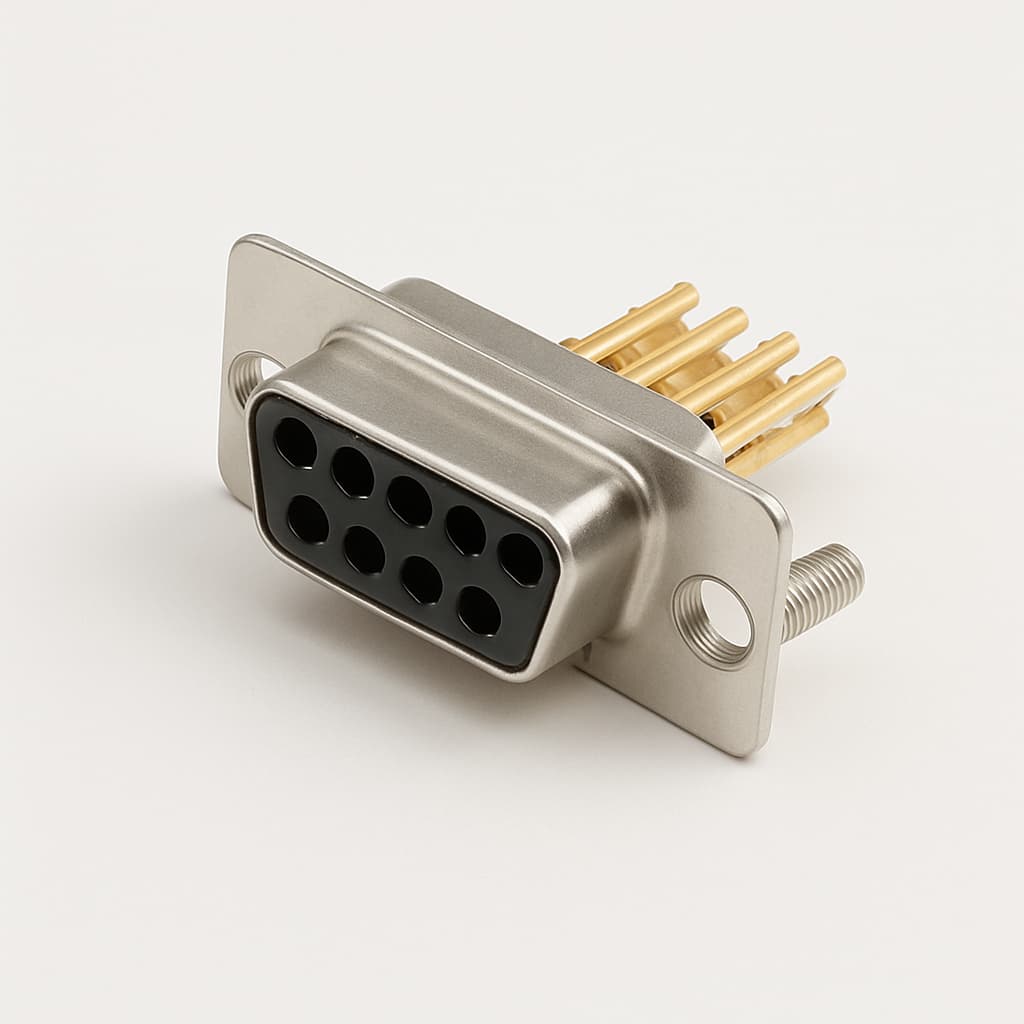
Molex / FCT
FU09P7-K120
Molex / FCT type FU09P7-K120 for D-Sub crimp use.
View product

D-Sub 9P crimp connector with part code FU09P7-K120-Y001.
View product

MOLEX / FCT
FU09S7-K121
MOLEX / FCT FU09S7-K121 is a D-Sub crimp connector.
View product

FU09S7-1050 is a D-Sub 9P F crimp connector.
View product

MOLEX / FCT
FU11W1P7-K120
MOLEX / FCT FU11W1P7-K120 is a D-Sub crimp connector.
View product
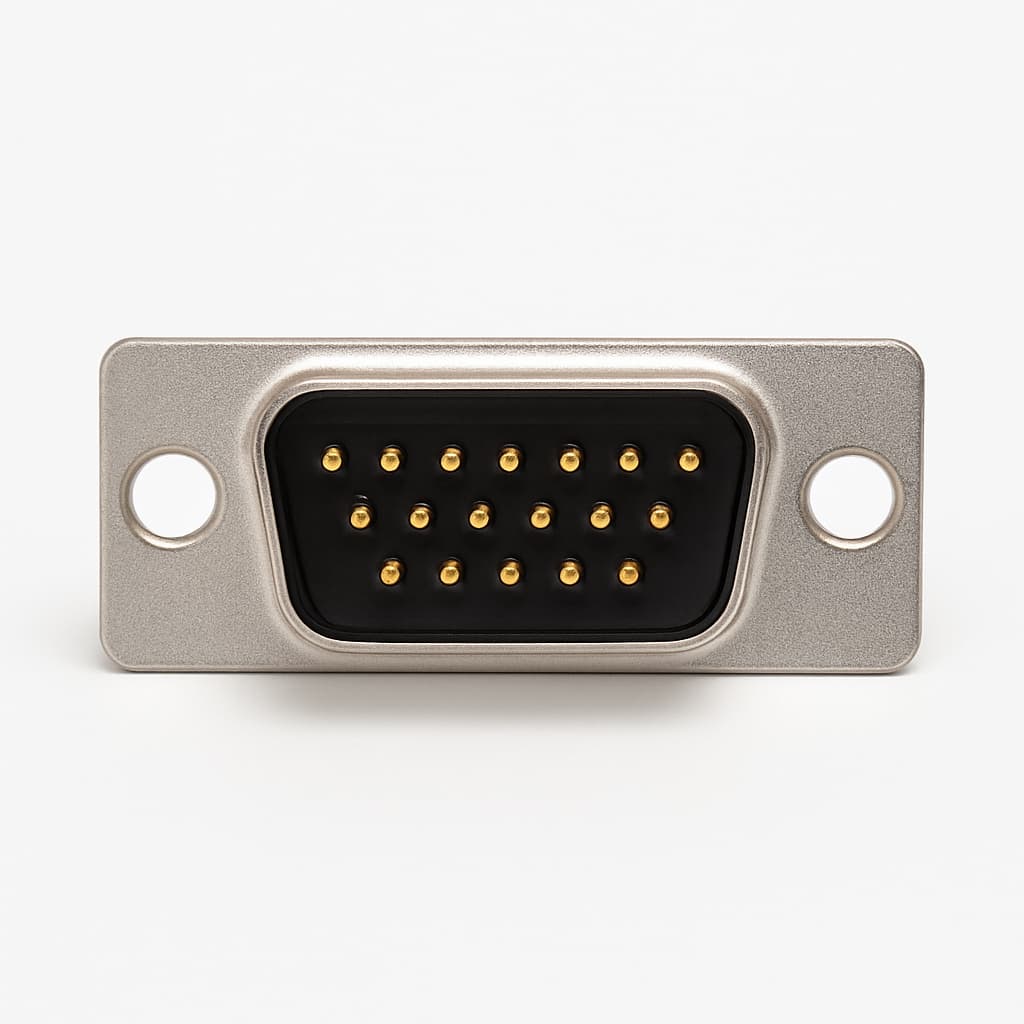
Molex / FCT
FU15P7-K120
Molex / FCT type FU15P7-K120 in D-Sub crimp format.
View product

D-Sub 15P crimp connector with part number FU15P7-K120-Y001.
View product
Engineering support
Two connectors can carry the same rating and behave differently in your machine. Interference, sealing, routing, mechanical stress, temperature and how the connection is assembled all decide whether the choice holds — and none of them are on a datasheet.
You get a named contact rather than a ticket.
What decides the choice